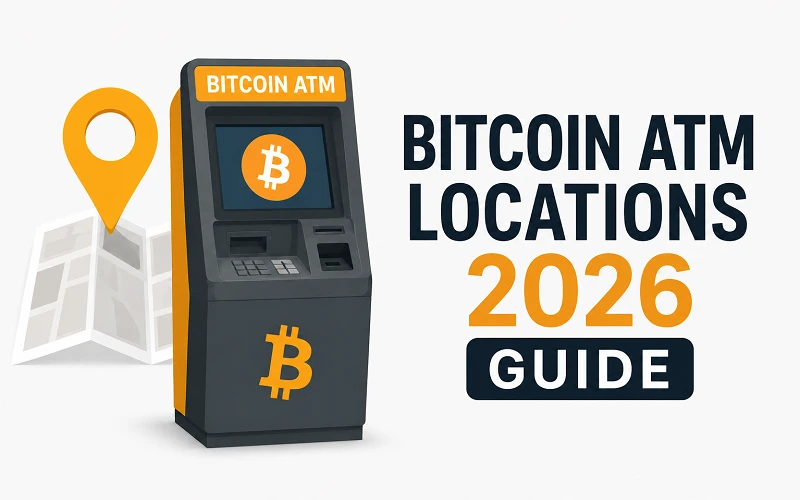
In 2026, searching for a Bitcoin ATM feels about as unusual as searching for a pharmacy or coffee shop.
That alone would’ve sounded ridiculous a few years ago.
Back then, cryptocurrency existed mostly inside internet culture. Forums. Trading apps. Endless social media debates featuring people confidently predicting either the collapse of civilization or the future of money before breakfast.
Now? Bitcoin ATMs sit quietly inside grocery stores and shopping centers while someone nearby debates whether to buy oat milk.
That’s progress, apparently.
And honestly, it says something important about where digital finance is headed: convenience is winning.
Not hype. Not buzzwords. Convenience.
As cryptocurrency becomes more integrated into everyday life, services tied to coins to cash transactions are also becoming more familiar to average consumers looking for faster, more accessible financial options.
How Bitcoin ATMs Became Part of Everyday Life
The biggest obstacle to cryptocurrency adoption was never just volatility.
It was friction.
Buying crypto online often felt unnecessarily complicated for average consumers. Account verification delays. Bank transfer waiting periods. Interfaces packed with charts that looked like they belonged in a NASA control room. Beginners frequently gave up before completing their first transaction.
Bitcoin ATM locations changed that experience dramatically.
Instead of navigating multiple online systems, users could simply walk up to a machine, scan a crypto wallet, insert cash or use a debit card, and complete the purchase directly.
Simple beats complicated surprisingly often.
Especially when money is involved.
According to the Federal Reserve, consumers consistently favor financial technologies that prioritize accessibility and ease of use. Bitcoin ATMs fit naturally into that trend because they remove much of the intimidation surrounding cryptocurrency ownership.
What Exactly Does a Bitcoin ATM Do?
A Bitcoin ATM works similarly to a traditional ATM, but instead of withdrawing money from a bank account, users purchase digital assets like Bitcoin through a physical kiosk.
Most machines allow users to:
- Buy cryptocurrency with cash
- Use debit cards for purchases
- Send crypto directly to digital wallets
- Access transactions quickly without bank transfer delays
The process is intentionally designed to feel familiar.
You follow prompts. Confirm details. Complete the transaction.
No need to suddenly become an expert in blockchain architecture while standing in a convenience store at 9:14 PM.
Why Local Access Matters More in 2026
Physical access points are becoming increasingly important in modern finance.
Why?
Because people trust visible infrastructure.
A Bitcoin ATM inside a grocery store feels more approachable than a random online exchange demanding identification documents, multi-step verification, and enough passwords to trigger mild emotional exhaustion.
Neighborhood accessibility changes public perception. Cryptocurrency stops feeling like a niche internet experiment once people encounter it during ordinary errands.
That normalization matters.
The more Bitcoin ATMs appear inside familiar retail environments, the more digital assets become integrated into everyday consumer behavior rather than existing as separate “tech culture” territory.
And historically, technologies become mainstream when they stop feeling special.
The Convenience Factor Is Hard to Ignore
Modern consumers expect speed.
Streaming is instant. Shopping is instant. Messaging is instant. Financial systems increasingly face pressure to operate with the same level of immediacy.
Traditional banking transfers still involve delays that feel strangely outdated:
“Please allow 3–5 business days.”
For what exactly? A horse-drawn paperwork caravan?
Bitcoin ATMs provide faster access to cryptocurrency by allowing users to purchase digital assets directly without lengthy transfer approvals. That immediacy appeals to users who value convenience and flexibility in how they manage financial activity.
It also helps during volatile market conditions where timing matters.
Because in crypto, waiting several days can completely change the outcome of a transaction.
What to Look for in a Reliable Bitcoin ATM
Not all machines are equal.
Reliable Bitcoin ATM locations generally provide:
- Clear fee disclosures
- Transparent exchange rates
- Secure verification systems
- Customer support information
- Well-maintained retail environments
Users should avoid machines that feel suspiciously hidden, poorly maintained, or lacking transparent transaction information.
And yes, reviews matter.
A quick glance at customer feedback often reveals whether a kiosk operates smoothly or whether users routinely describe the experience as “financially stressful performance art.”
Consumers exploring local cryptocurrency access and physical transaction tools can coins to cash through educational resources focused on Bitcoin ATM functionality and nearby locations.
Security Awareness Is Still Essential
As cryptocurrency adoption grows, scams unfortunately evolve alongside it.
The U.S. Securities and Exchange Commission continues warning consumers about fraud involving fake investment schemes, impersonation scams, and urgent Bitcoin payment requests.
A useful rule for 2026:
No legitimate government agency, utility provider, or customer service representative will demand emergency cryptocurrency payments through a Bitcoin ATM.
Scammers rely heavily on panic and urgency.
Real financial institutions generally do not behave like hostage negotiators.
The Future of Financial Access Looks Surprisingly Normal
That may be the biggest lesson of all.
Bitcoin ATMs are no longer futuristic novelties. They’re becoming part of the financial landscape people encounter during everyday life. Quietly. Gradually. Naturally.
And that’s usually how meaningful technology adoption works, not through dramatic disruption alone, but through ordinary familiarity repeated often enough that people stop thinking twice about it.
One grocery-store kiosk at a time.