
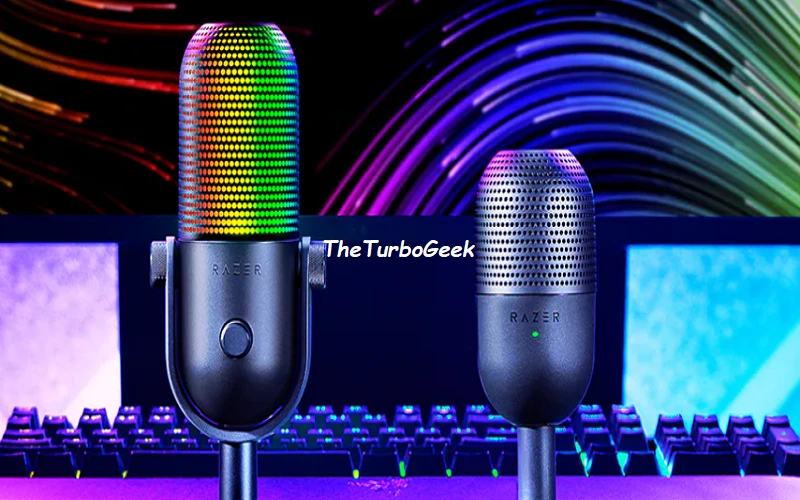
In the world of content creation, particularly in live streaming, a gaming streaming microphone is indispensable for delivering high-quality audio to improve viewer engagement. Professional streamers understand that superior audio can significantly elevate the entire experience, both for themselves and their audience. In an era where visual fidelity in gaming is often prioritised, the importance of pristine audio mustn’t be underestimated.
It ensures clear communication, sets the atmosphere, and can dramatically enhance the immersive quality of streams. Let’s delve into the integral role a high-quality microphone plays in gaming streaming and explore the various elements that make them essential tools for streamers.
The Rise of Streaming and Its Audio Demands
The gaming industry has witnessed an explosive growth in live streaming over the past decade, with platforms such as Twitch, YouTube Gaming, and Facebook Gaming hosting millions of streams every day. This boom has driven a greater focus on audio quality as consumers become more discerning. Inadequate sound quality can result in a lack of engagement and even frustrate viewers, leading them to abandon a stream, no matter how visually compelling it may be.
Therefore, the audio clarity provided by a dedicated gaming streaming microphone is vital not only for captivating viewers but also for maintaining professionalism and consistent content quality.
Key Features of High-Quality Streaming Microphones
1. Sound Quality
Sound quality is paramount for a gaming streaming microphone. Unlike traditional microphones, those designed for gaming and streaming often boast a wider frequency response, ensuring all the nuances of speech and in-game audio are captured crisply. Streaming microphones frequently come equipped with condenser capsules, which are adept at picking up both soft and loud sounds with great clarity.
2. Directional Sensitivity
Most streamers prefer microphones with cardioid polar patterns, as they are particularly effective in capturing sound from the front while minimising noise from the sides and rear. This directionality allows streamers to reduce background noise and focus on their voice, ensuring that the audience clearly hears every word spoken during the stream.
3. Connectivity and Compatibility
Versatile connectivity options are crucial for streaming microphones, and many offer USB connections for simplicity and ease of use with computers. Some models also feature XLR outputs, offering better sound quality for those who have more advanced audio interfaces.
4. Adjustability and Build Quality
Ergonomics and durability are also key considerations. A microphone should have adjustable settings to accommodate various recording environments and user preferences. This includes microphone stands or boom arms for optimal positioning and flexibility during long streaming sessions. Furthermore, build quality reflects a microphone’s longevity and robustness, factors that are especially important for daily use in a dynamic streaming environment.
Enhancing Viewer Experience Through Superior Audio
The audio component of a stream is just as critical as the visual elements. High-quality sound can significantly enhance the immersive experience for viewers, making them feel as though they are part of the action. This immersion can be achieved through the clarity of a streamer’s voice and the faithful reproduction of in-game sounds, creating an engaging auditory experience.
Moreover, a good gaming streaming microphone helps maintain the authenticity of the streamer’s interactions. Whether providing commentary during heated gameplay or engaging with audience chats, the clarity and reliability of a high-quality microphone enable seamless communication, building a stronger connection between streamer and viewer.
Choosing Between USB and XLR Microphones
Streamers are often presented with a choice between USB and XLR microphones. USB microphones are popular due to their plug-and-play capability, making them ideal for beginners and those streaming from a home setup. They offer straightforward connectivity, bypassing the need for additional audio equipment.
Conversely, XLR microphones are preferred by professionals for their superior audio capabilities and flexibility in professional studio environments. While they require additional equipment like an audio interface or mixer, the sound quality and control they provide can be worth the investment for those aiming for ultimate audio fidelity.
Innovations in Streaming Microphone Technology
Microphones used in gaming streaming have seen numerous advancements in recent years. Companies continue to develop features such as noise cancellation, built-in pop filters, and enhanced digital signal processing (DSP) that allow streamers to produce even cleaner sound. Additionally, with the ongoing evolution of online streaming, microphones are becoming more compact, stylish, and user-friendly, catering to the aesthetic as well as functional demands of streamers.
Conclusion: Continuous Evolution
The landscape of gaming streaming is one of continuous evolution. The demand for high-quality audio persists, pushing manufacturers to innovate and refine their products. A gaming streaming microphone is more than simply an accessory; it is a critical component of a streamer’s toolkit.
By understanding and prioritising audio quality, streamers can deliver a captivating experience that resonates with audiences worldwide. Audio equipment that was once the preserve of professional studios is now accessible to hobbyists and emerging streamers, marking a golden era for gaming and live content creation.