Drug testing has become a standard component of safety management in a wide range of industries, from healthcare and transport to construction and logistics. The underlying rationale is consistent: workplaces where impairment poses a risk to others need reliable, timely methods to identify individuals who may be under the influence of substances.
Multi-panel urine tests have become the practical standard for this purpose because they are fast, non-invasive, cost-effective, and capable of screening for a wide range of substances in a single test.
Understanding how panel tests work, what they detect, and how they fit into a compliant testing programme is useful for anyone managing health and safety responsibilities, whether in a clinical setting or a general workplace environment.
How Multi-Panel Drug Tests Work
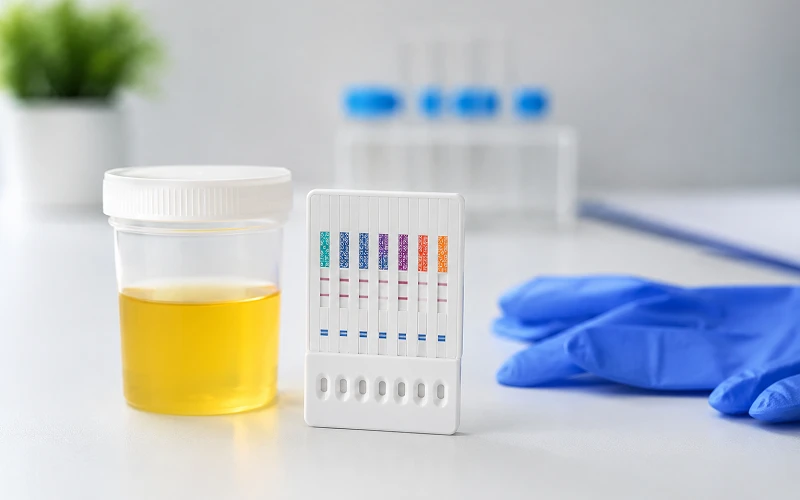
A urine panel test uses immunoassay technology to detect the metabolites that remain in the body after a substance has been processed. Different substances remain detectable for different lengths of time, which affects how testing programmes are designed. Cannabis metabolites can remain detectable for weeks in regular users, while stimulants like cocaine or amphetamines may clear within a few days.
The number on a panel test refers to how many substance categories the test screens for simultaneously. A 12-panel test covers a broad range that typically includes cannabis, cocaine, amphetamines, opiates, benzodiazepines, barbiturates, methamphetamine, methadone, oxycodone, phencyclidine, buprenorphine, and tricyclic antidepressants, though exact panels vary by provider.
Selecting the right panel for a given context depends on which substances are most relevant to the population being tested. Suppliers such as 12 Panel Now offer a range of multi-panel test kits designed for both clinical and workplace settings, with clear result windows that support fast decision-making.
Applications in Healthcare Settings
In clinical settings, drug testing serves several distinct functions. Point-of-care urine testing supports clinical decision-making by providing rapid results without waiting for laboratory analysis. This is particularly relevant in emergency departments, pain management clinics, addiction treatment programmes, and pre-operative assessments where substance use could affect treatment planning or anaesthetic risk.
For hospitals and clinics that conduct large volumes of pre-employment screening, having a reliable and cost-efficient supply of test panels is a procurement consideration as much as a clinical one. Services that provide panel tests at scale allow healthcare organisations to maintain consistent screening without the cost and turnaround time of sending every sample to an external laboratory.
Workplace Drug Testing Programmes
Outside of healthcare, drug testing programmes are used to satisfy regulatory requirements in safety-critical industries, to deter substance use among employees, and to manage post-incident investigations. A comprehensive programme typically includes pre-employment screening, random testing, post-incident testing, and return-to-duty testing following a positive result.
The legal framework around workplace drug testing varies by jurisdiction, and employers are generally advised to consult legal guidance before implementing a programme. In the UK, testing must be proportionate, applied consistently, and underpinned by a written policy that employees have acknowledged.
The practical management of a testing programme requires a steady supply of accurate, easy-to-read tests, a chain of custody process that makes results defensible if challenged, and a clear protocol for what happens when a positive screen is recorded, including whether a confirmatory laboratory test is required before any action is taken.
Frequently Asked Questions
What does a 12-panel drug test screen for?
It typically screens for twelve substance categories including cannabis, cocaine, opiates, amphetamines, benzodiazepines, and others, though exact panels vary by manufacturer.
How accurate are rapid urine panel tests?
Immunoassay panel tests are highly accurate for initial screening but carry a small rate of false positives. Confirmatory laboratory testing is recommended before taking any formal action based on a positive result.
How long do substances remain detectable?
This varies widely by substance and frequency of use. Cannabis can remain detectable for weeks in regular users; most other substances are detectable for a few days to about a week.
Can an employee refuse a drug test?
This depends on the workplace policy and applicable employment law. Employees who have acknowledged a drug testing policy as a condition of employment typically cannot refuse without consequence.
Do panel tests detect prescription medications?
Some prescription medications can trigger a positive result on certain panels. A medical review officer process or a declaration of prescribed medications helps contextualise these results.